Business Broker in Central Valley, UT

Sell your Central Valley, UT business confidentially for the highest possible price.

A Central Valley business sale should make the company’s resources and working requirements clear to its next owner. Team Lee helps organize earnings, assets, premises and customer relationships, then presents the opportunity confidentially with a practical account of the responsibilities included in the proposed transaction.

Claim Free Valuation

Central Valley, UT Business Sales Help

How a Business Broker Helps You Sell in Central Valley, Utah

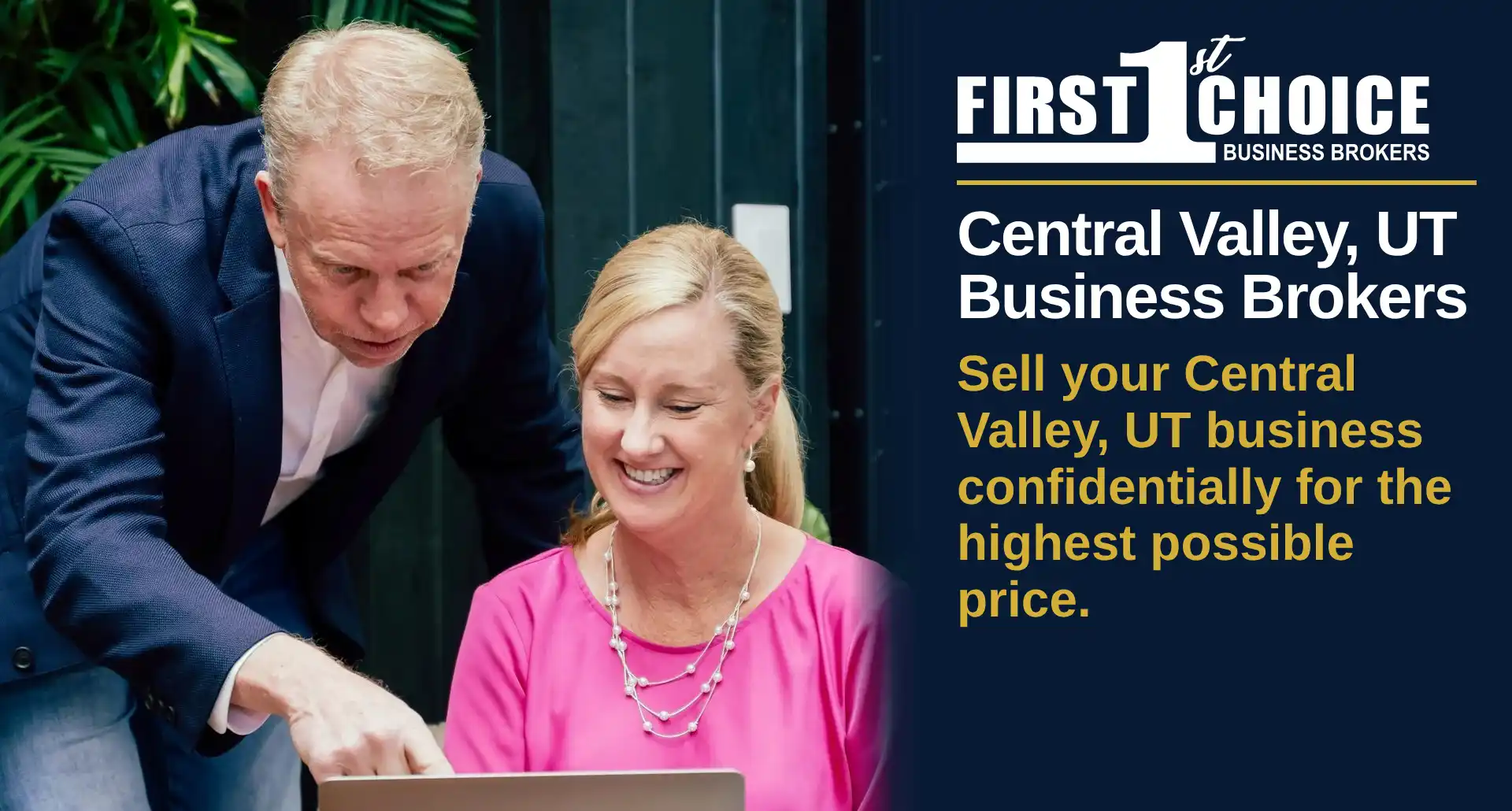
Mike and Lynn Lee reviewing information together

Selling a Business in Central Valley, UT

Start with the business you operate today and the arrangements it needs to keep working. Identify included assets, recurring costs and duties currently handled by the owner. We connect that information with the financial history before discussing price, allowing a purchaser to evaluate a defined offering rather than assume that every resource used by the seller transfers automatically.

Why Sell With An Central Valley, UT Business Broker

Mike and Lynn Lee help owners prepare for buyer questions, qualify interest and compare proposed terms. Mike is Managing Director and CEPA; Lynn is Business Advisor. They coordinate the commercial process alongside your advisers, with attention to the offered operation, your exit timing and the support you would negotiate for the handover.

Local Business Brokerage

Selling a Business in Central Valley, UT

This Central Valley is the incorporated town in Sevier County, distinct from Central in Washington County. Its municipal resources include business, land-use and utility documents. Identify the actual site and records belonging to the company so the buyer’s review follows the correct town and operating arrangement instead of relying on a similar place name.

The town’s water planning material gives broader infrastructure context, while current bills and agreements explain the company’s actual services and costs. Team Lee works from Salt Lake City and helps Central Valley owners present those records alongside earnings without promising parcel-specific capacity or future service terms that have not been confirmed.

Call 435-800-4400 to discuss your Central Valley company and the transition you want to prepare.

Before You Go to Market

Preparation Checklist to Sell Your Business in Central Valley, UT

Gather information showing how the business earns money and uses its current resources. Keep municipal, premises and company records identifiable, with shared expenses explained. Buyers should be able to see what is established and which questions about service, occupancy or ownership changes still need confirmation for the proposed transaction.

Prepare Profit and Loss Statements

Provide recent annual accounts, current results and a balance sheet. Explain significant occupancy or service expenses and any costs shared with another activity. Retain evidence for adjustments so the purchaser can follow recurring earnings without assuming the seller’s personal resource arrangements will remain available unchanged.

Gather Business Tax Returns

Collect filed business returns and relevant schedules matching the reporting periods. Have your accountant explain significant differences from internal statements and identify activity outside the offering. Clear boundaries help buyers assess the company’s financial history without confusing it with other income or property expenses recorded by the owner.

Review Your Lease and Premises

Bring leases, occupancy or ownership documents, current bills and issued site records. Describe workspace, storage and any shared services used by the company. Confirm a purchaser’s proposed changes with the town, property owner or relevant provider rather than treating a community plan as confirmation of a specific site’s future arrangement.

List Equipment and Inventory

List included tools, equipment, vehicles, furnishings and stock with ownership, condition and financing information. Identify resources belonging to another party or retained by the seller. The purchaser should understand what transfers and whether an essential item would require a separate arrangement or replacement to continue the existing operation.

Document Daily Operations

Document staffing, customer communication, purchasing, maintenance coordination and billing duties. Explain the work performed personally by you and the procedures a buyer must learn. A defined training outline gives the handover discussion a practical basis rather than an assumption that seller support will remain available without limits.

Organize Contracts and Business Records

Gather customer agreements, supplier terms, issued operating records and insurance information. Note renewals, the parties named and commitments beyond closing. Ask the responsible authorities, advisers or contracting parties about ownership changes before promising a purchaser continuing permission, account arrangements or contractual relationships.

Start with what you have.

Begin with the records available and a description of the company’s existing setup. We can help prioritize gaps affecting value or buyer understanding while you locate documents and seek answers about premises, utilities or agreements from the people responsible for them.

Sell Your Central Valley, UT Business

Connect the earnings with current operating arrangements

Claim Free Valuation 435-800-4400

Selling a business in Central Valley, UT

Work directly with Team Lee in Central Valley, UT.

An owner may know how to keep the operation supplied, maintained and coordinated without ever documenting that work. Explain those responsibilities and the resources you plan to retain. This helps buyers assess the ownership role and gives both parties clear expectations when negotiating training and ongoing involvement.

Mike Lee, Managing Director and CEPA, and Lynn Lee, Business Advisor, help Central Valley owners prepare that operating account and manage confidential review. They connect the business’s evidence with commercial discussions about value, included assets, conditions and the seller’s intended departure.

business-broker-central-valley-ut

Keep the sale private

We prepare non-identifying marketing, screen interested buyers and require an NDA before identification. Additional financial, site and customer records follow as the review becomes more detailed, with visits arranged around ongoing operations and the seller’s concerns about disclosure.

Understand your asking price

We discuss supported earnings with assets, recurring costs and owner responsibilities. The Estimate of Value should state operating assumptions, keeping existing service arrangements distinguishable from broader plans or future benefits that have not been confirmed for the purchaser.

Connect with capable buyers

We consider financial capacity and the buyer’s intended involvement in the company. Understanding the actual site, staffing and management requirements helps establish fit before detailed negotiations proceed around assumptions about resources or continued seller support.

Personal support when the details matter in Central Valley

Offers can differ on premises, equipment, training and conditions alongside price. We help compare those commitments and coordinate the unanswered business questions with the parties and professional advisers before the transaction moves to its next decision.

Central Valley’s municipal history is useful when organizing older company and property records. The town’s official history explains that the community previously used the names Inverury and Central before becoming Central Valley, and incorporated in 2005. An owner preparing to sell should reconcile older addresses or business records with the present location and parcel information. That simple housekeeping step can make it easier for buyers to understand which premises, customer relationships and operating assets are included in the Central Valley business being offered.

Sell Your Central Valley, UT Business

Prepare clear records for a different owner

Claim Free Valuation 435-800-4400

What Central Valley, UT Owners Should Know About Selling a Business…

Start early!

Confirm the town, property and service records before listing. Accurate information helps buyers evaluate the company without confusing similarly named communities, public planning material or the seller’s personal arrangements with resources included in the offering.

No upfront fee to list!

There is no upfront listing fee with Team Lee. Mike and Lynn explain the proposed engagement and commission arrangements so you can consider the terms and preparation work before choosing to market your Central Valley company.

Keep it confidential!

Explore your exit privately at 435-800-4400. You can discuss readiness and timing before sharing the possibility of a sale with employees, customers or other contacts who know the operation.

Common Questions

Frequently Asked Questions About Business Brokers in Central Valley, UT

Is Central Valley the same community as Central?

No. Central Valley is an incorporated town in Sevier County, while Central is a separate unincorporated Washington County community. Use the correct municipality, parcel and company documents during preparation so the purchaser’s questions go to the appropriate contacts rather than follow resources for a similarly named place.

Does the town’s water plan confirm service capacity for my buyer’s proposal?

A planning document provides broader infrastructure context, not a parcel-specific confirmation for every proposed activity. Explain the company’s existing service through its bills, agreements and issued records. Ask the relevant provider or town contact about a specific changed use, capacity question or future arrangement before promising it in the offering.

What should I show about shared service costs?

Identify the services used by the company and explain how bills are allocated between the business and other occupants or activities. Keep supporting documents available and have your accountant explain material reporting adjustments. A purchaser needs a realistic cost picture, particularly if future premises or accounts would differ from the seller’s setup.

Can I begin discussing a sale with incomplete operating records?

Yes. Start with the reports you can provide and an outline of the business’s routines, resources and open questions. Team Lee can help prioritize information useful for value and buyer review while the responsible contacts address missing documentation. Do not describe an unresolved arrangement as confirmed simply because preparation has begun.

How are Central Valley buyers introduced to the business?

We use non-identifying initial marketing, assess inquiries and obtain an NDA before identification. Further financial, customer and premises records are staged as the review develops. Visits and conversations are coordinated with the seller’s operating schedule, confidentiality concerns and the information needed for the next transaction decision.

Who can review my Central Valley sale plans?

Contact Team Lee at 435-800-4400 with the company type and intended timing. Mike Lee is Managing Director and CEPA; Lynn Lee is Business Advisor. They work from Salt Lake City and help Utah owners prepare records, discuss value and plan a confidential ownership transition.

Central Valley Business Community

The Local Business Market in Central Valley, UT

Central Valley is a Sevier County municipality with its own business and land-use resources. The town’s forms and information page provides a business license application, zoning map, conditional-use materials and utility service documents. Use that collection to organize the approvals associated with the current operation, especially if work takes place in both a dwelling and a separate building. Ask town staff which records describe the business accurately before preparing buyer materials.

The ordinances and resolutions library lists business licensing, land use and short-term rental ordinances, alongside newer amendments. Refer to the current documents with the town rather than relying on an old application kept in a filing cabinet. A sale presentation should describe the use already established and identify any different activity the buyer proposes as a separate question.

Water is another tangible part of the operating picture. Central Valley’s 2025 Culinary Water Master Plan examines sources, storage and distribution, with improvement recommendations over a twenty-year horizon. Those plans do not establish the capacity available to an individual business. Provide actual consumption records, service agreements and equipment requirements so the buyer and utility staff can discuss the premises on specific terms.

Find Out What Your Central Valley, UT Business Is Worth

Value My Business 435-800-4400
Get a Free Valuation